

Resilience Isn’t Built in the Fire
Strategic Leadership in the Age of Constant Interruptions
By Raum Sandoval | Bakari Intelligence & Flowchestra
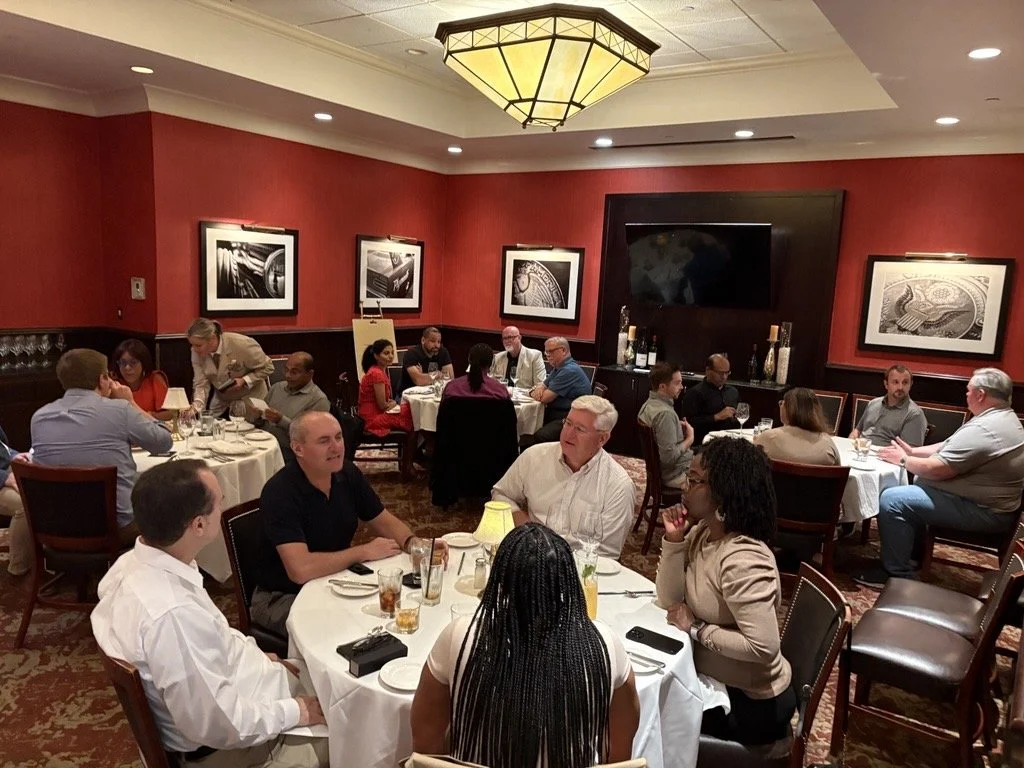
Last week, I had the opportunity to attend the Cyber Leadership Roundtable Dinner, a powerful and intentional gathering hosted by KirkpatrickPrice (special thanks to Jonah Wisch), the Charlotte Metro ISC² Chapter, and Charlotte IT Professionals. 20 senior IT and cybersecurity leaders sat down to share real conversations, real experiences, and real truths about what it takes to build resilient teams in this fast-moving, high-stakes industry.
While the field we play on is digital, the stakes are deeply human. Technical resilience without operational and emotional resilience is an illusion. And if we’re being honest, too many of us are barely staying above water.
Firefighting Isn't a Strategy
Here’s the uncomfortable truth: you can't build a resilient team while constantly putting out fires. If your days are packed with alerts, escalations, last-minute requests, and always-on adrenaline, where is the time for reflection? For strategy? For real growth?
Trying to inject resilience in the middle of recovery is like trying to install sprinklers during a fire. That’s not resilience, that’s survival.
We don’t build a fire escape plan while the building is already burning. So why do we expect our teams, our systems, and ourselves to build strength while we’re already standing in the flames?
It doesn’t work like that.
Resilience is a Precondition, Not a Reaction
At the dinner, we collectively walked away with some core insights and principles that don’t just apply to cybersecurity, but to leadership at large:
Create a proactive culture that prepares the team for challenges
Don’t let positive behavior go unrewarded
Develop a “personal board of directors”
Physical movement helps you stay present
The team dynamic matters more than the top performer
Focus on first downs, not touchdowns
Everyone should have a mentor and a mentee
Ensure expectations align with actual goals and metrics
Don’t let the “golden child” bypass the process
Let people fail fast, fail small
Use tech metaphors — like authentication/encryption — to talk about trust and communication
These aren’t just feel-good slogans. They’re operating principles. They reflect the kind of intentional, strategic, and resilient mindset required in the age of AI, automation, and continuous threat.
Root Cause Analysis as a Resilience Tool
One of the practices I’ve found to be especially transformative is the Root Cause Analysis (RCA), specifically Lessons Learned. Not as a checkbox after something breaks, but as a team ritual.
Bring everyone into the room. Remove the hierarchy. No judgment. No finger pointing. Just clarity. What went wrong? Why? What friction points were technical, and which were operational? What can we learn together as a team?
RCAs, when done right, build trust. They help you surface unspoken issues. They sharpen both your systems and your people. And most importantly, they build muscle memory for how to respond to chaos without panic.
Tech + Ops: One Can't Be Resilient Without the Other
At Bakari Intelligence, we believe a resilient infrastructure breeds a resilient team, and vice versa. If your backend is duct-taped together, your engineers will always be in reactive mode. If your team culture is chaotic, no amount of automation will save you from burnout, turnover, and slow death by technical debt.
Resilience is holistic. It’s not just security posture or server uptime. It’s how your people show up to work. How your teams respond to pressure. How your systems empower, and not exhaust..
So ask yourself:
Are you stuck chasing your tail day after day?
Is there space in your week for strategic thinking?
Are your tools supporting your team’s ability to get ahead?
Do you reward calm under pressure… or only celebrate chaos conquered?
Because in the end, resilience isn’t just a buzzword. It’s a choice. A daily one.
And that choice starts with Leadership.
Want help building a resilient, proactive technical and operational foundation that supports your team, your vision, and your future? Let’s talk. sales@bakari.ai.